eSIM vs Physical SIM card - Exploring the Pros and Cons
Explore the comprehensive comparison between eSIM vs Physical SIM cards. Understand their pros, cons, and differences to decide which SIM technology suits you.
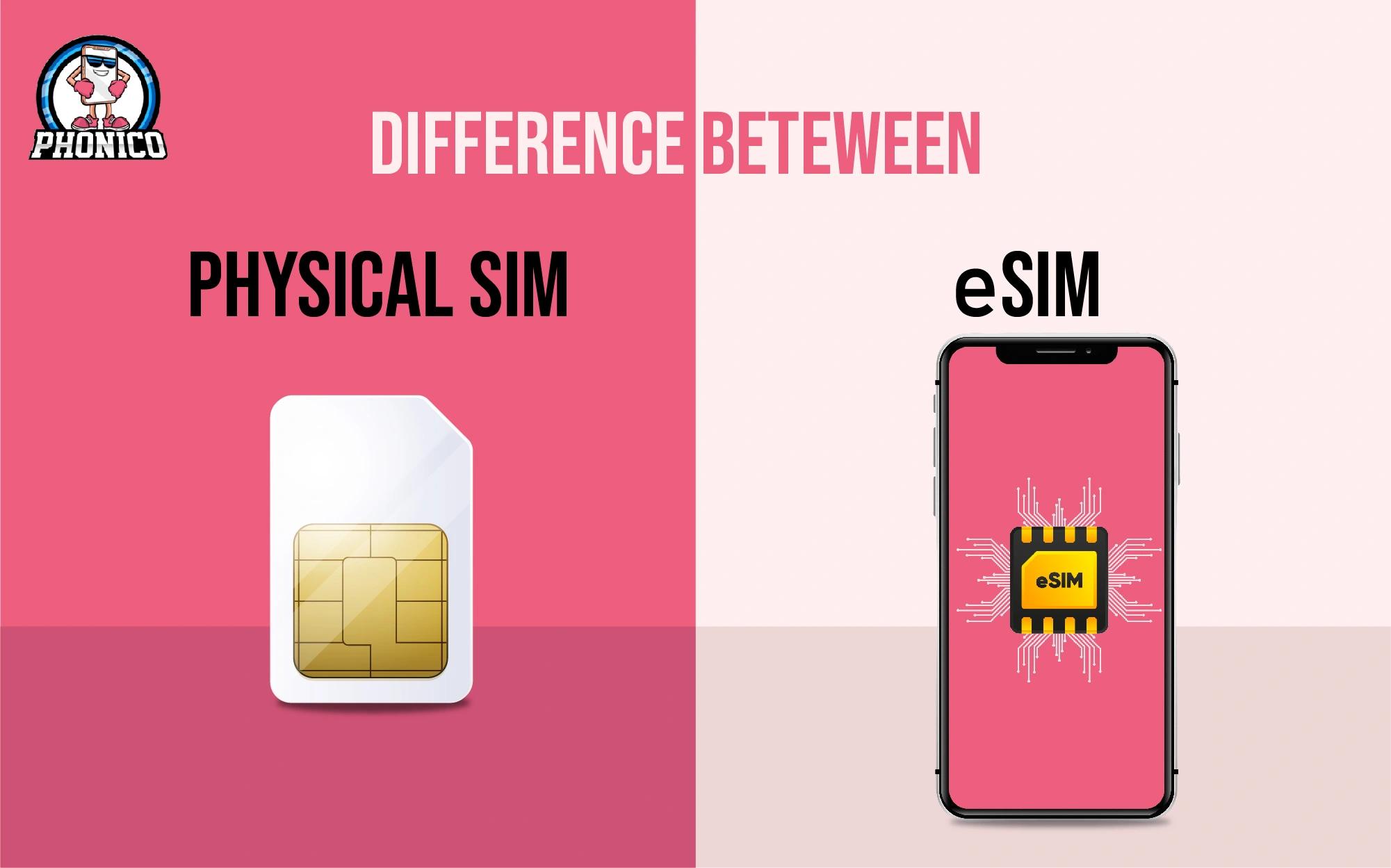
In modern communication, eSIM and physical SIM have gained significant prominence. As the ever-changing digital terrain keeps progressing, the convenience and efficiency of these two options have captured the attention of users USA. This article delves into eSIM vs physical SIM cards, uncovering their distinctions and assessing the benefits and drawbacks of each option. In the dynamic realm of telecommunications, the ongoing transformation from traditional connectivity methods to more advanced solutions has given rise to a noteworthy debate: eSIM vs Physical SIM.
This pivotal comparison delves into the pros and cons of these two distinct approaches to providing cellular connectivity to our ever-evolving array of devices. This exploration is crucial in aiding consumers, service providers, and manufacturers in making informed decisions regarding the optimal choice between eSIM and Physical SIM based on their unique requirements and preferences.
eSIM vs Physical SIM card: Unraveling the Differences
The concept of a traditional physical SIM card is universally familiar, serving as a small chip facilitating connectivity with a carrier's network. However, emerging as a more convenient and versatile alternative, the eSIM, or embedded SIM, is rapidly gaining traction. This article thoroughly compares eSIM vs physical SIM, shedding light on their unique attributes and exploring the potential benefits and drawbacks.
eSIM vs Physical SIM card: A Comparative Analysis
Understanding eSIM vs Physical SIM card
The evolution of SIM cards has led to the dominance of the nanoSIM chip in modern smartphones. Going beyond this, the eSIM integrates the SIM chip directly into the device, eliminating the possibility of removal. Transitioning between carriers is a seamless process with eSIM; activation through the chosen carrier updates the eSIM, facilitating network connection while automatically disconnecting previously linked devices.
The Rise of eSIM: Pros and Cons
Pros of eSIM
- Effortless Network Switching: Transitioning between networks has never been simpler, given compatibility. Many carriers offer apps that swiftly install network information on eSIM, streamlining the switching process without needing physical store visits.
- Enhanced Carrier Testing: eSIM enables hassle-free testing of multiple carriers. Various carriers extend free eSIM trials, allowing users to experience network performance and services before committing fully.
- Dual-LINE Capability: Many eSIM-enabled phones permit the use of two lines simultaneously. The coexistence of an eSIM and a physical SIM empowers users with the flexibility of operating two numbers on a single device.
- Temporary Network Changes: The capability to establish a quick eSIM line is advantageous, especially for international travel. This obviates the need for physical SIM cards in new countries, albeit with limited eSIM support in certain regions.
- Reduced Environmental Impact: eSIM's virtual nature reduces plastic waste and shipping materials, contributing to environmental preservation—a contrast to disposable physical SIM cards.
- Enhanced Security: The embedded nature of eSIM enhances security, discouraging cloning. Thieves cannot remove an eSIM, granting additional Time to trace and potentially recover stolen devices.
Cons of eSIM
- Phone Switching Complexity: Unlike the simple swapping physical SIM cards, eSIM necessitates app installations or manual input of eSIM instructions for phone switching.
- Network Compatibility Limitations: Not all carriers support eSIM, notably smaller MVNOs. Network compatibility varies based on geographical location and carrier size.
- Limited Phone Support: Although eSIM adoption is increasing, not all phones feature it. Popular models like the iPhone and Samsung Galaxy are frequently supported, excluding some devices.
The Case for Physical SIM: Benefits and Drawbacks
Pros of Physical SIM
- Swift Device Switching: Physical SIM cards allow instant device switching as network information is tied to a removable chip. This feature is especially beneficial for those frequently changing phones.
- Extensive Compatibility: Physical SIMs offer broad phone and network compatibility, ideal for users seeking seamless communication across various devices and carriers.
Cons of Physical SIM
- Vulnerability to Damage: Physical SIMs are susceptible to damage and loss, unlike eSIMs, which are secure and resilient to physical harm.
- Network Switching Challenges: Moving to a new network with a physical SIM requires visiting a store or waiting for a SIM card to be delivered—a less convenient process than eSIM activation.
The Future: iSIM's Potential as an Alternative
The concept of iSIM, or integrated SIM, has emerged alongside eSIM technology. Designed with security as a priority, iSIM targets Internet of Things (IoT) devices, offering an embedded SIM solution similar to eSIM. Although more prevalent in IoT applications, the Snapdragon 8 Gen 1 SoC supports iSIM, hinting at potential smartphone expansion. Despite its promise, iSIM's adoption is limited by the absence of carrier support.
A Look at Supported Phones and Future Considerations
For those intrigued by eSIM, a range of eSIM supported devices is available. Commonly supported phones in the United States include the iPhone XS and newer models; Galaxy S20 and more contemporary; Pixel 4 and more recent; Apple Watch Series 3 and more unique; and Galaxy S21 series and later models. It is advisable to research thoroughly before assuming eSIM support on a chosen network, as varying carrier policies influence compatibility.
Making the Transition: Is it Time for eSIM?
In the constantly changing arena of mobile technology, the adoption of eSIM offers undeniable advantages. As a future-oriented solution, eSIM streamlines connectivity and provides a sustainable alternative. However, the immediate transition may be optional for those already equipped with a physical SIM-enabled device. The seamless evolution of technology encourages users to consider their unique needs before embracing this transformation.